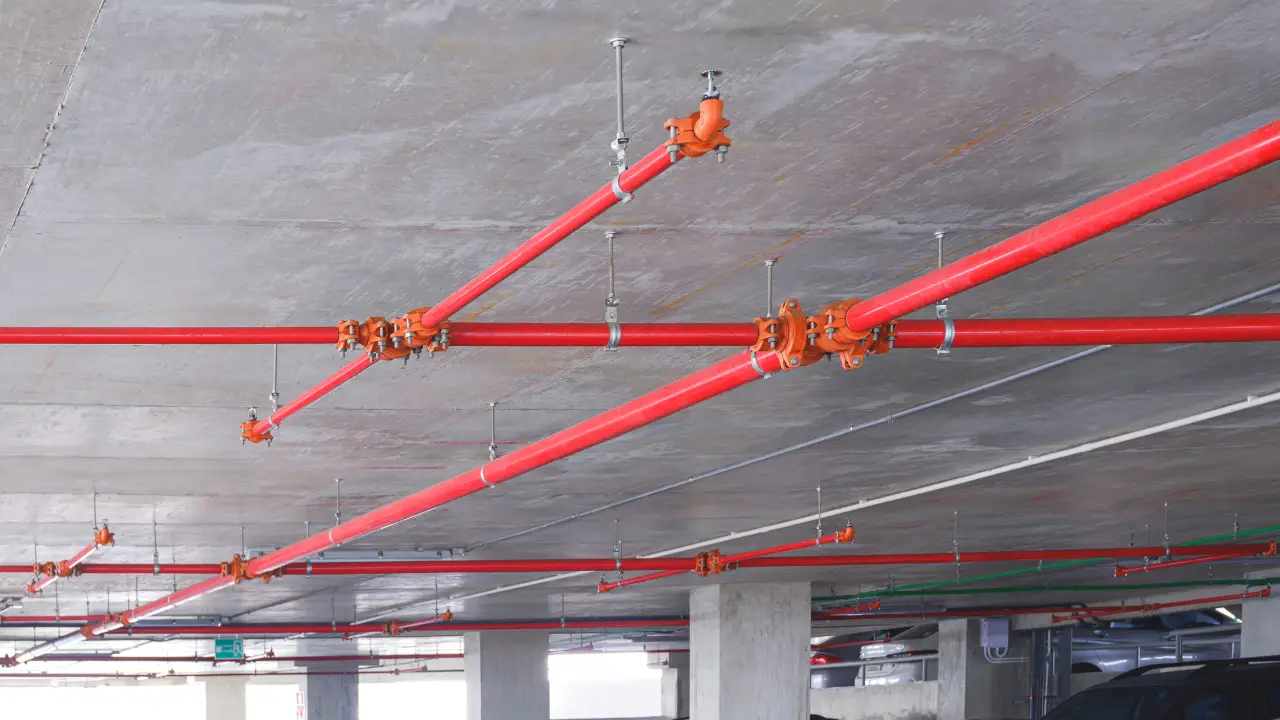
For new builds, fit-outs and refurbishments, resolve sprinkler requirements before installation and involve Apex Fire Sprinkler early. If you already have architectural or MEP drawings, getting the sprinkler requirements reviewed before coordination is fixed can prevent avoidable redesign later.
What should a fire sprinkler system do?
A fire sprinkler system is an automatic water-based fire suppression system. When sufficient heat reaches a closed sprinkler head, its heat-sensitive element operates and water discharge begins. In conventional systems, fire sprinklers activate individually as conditions at each sprinkler reach its operating point. Glass-bulb sprinklers use a heat-responsive liquid that expands as temperature rises.
Reliable fire protection depends on hazard classification, sprinkler spacing, pipe sizing, pressure, water demand and valve arrangement. These are design decisions. Give Apex Fire Sprinkler your drawings and building use before those decisions are fixed so the proposed sprinkler system can be considered against the actual project.
Which types of fire sprinkler systems suit your building?
Types of fire sprinkler systems include wet pipe, dry pipe, pre-action and deluge. Wet pipe systems keep the sprinkler pipe system charged with water. Dry pipe systems use pressurised air or nitrogen and keep water behind a dry pipe valve, making dry systems relevant where sprinkler piping can be exposed to freezing conditions, including certain cold-storage areas. NFPA 13 contains specific requirements for sprinkler system types and their installation.
Pre-action systems introduce another operating condition before water enters the sprinkler pipes. Deluge systems work with open sprinkler heads and a control valve, allowing water to flow through the protected section when the required activation sequence occurs. The correct choice depends on the occupancy, type of fire hazard and project requirements.
How does a sprinkler head activate?
Many automatic fire sprinklers use a glass bulb or another heat-sensitive element. Heat from a fire causes the liquid inside a glass bulb to expand until the rated operating condition is reached and the bulb releases. Water can then discharge through the fire sprinkler head.
A fire alarm alone does not operate a conventional closed sprinkler. Once the sprinkler is activated, however, the water distribution piping system must provide the required flow and pressure. A ceiling layout can look correct while the hydraulic performance is wrong, which is why sprinkler system design cannot be reduced to positioning heads on a drawing.
Why do water supply, pipe system and valve design matter?
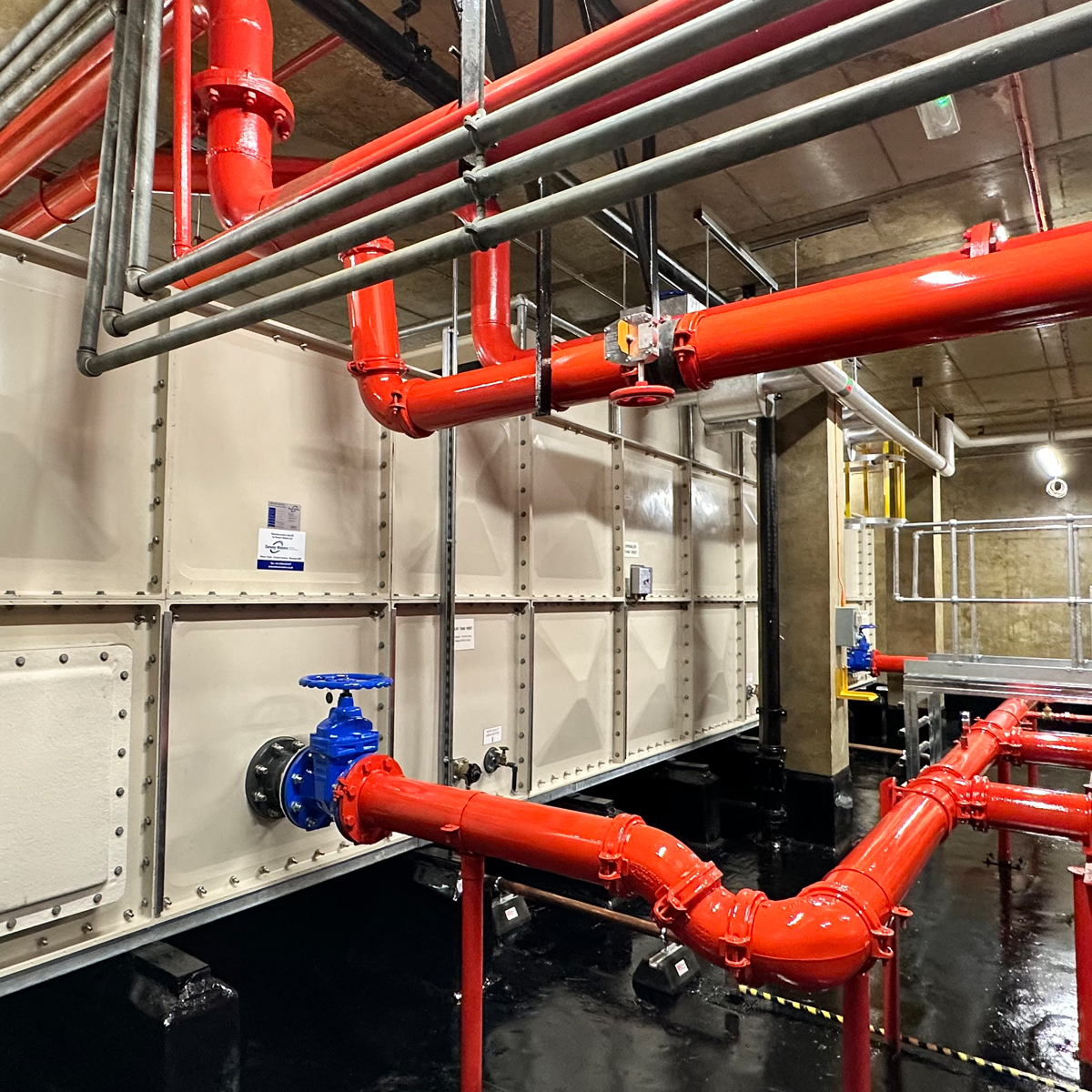
NFPA 13 addresses water supplies, sprinkler locations, system components, piping, plans, calculations and system acceptance. Hydraulic calculations are used to establish whether the sprinkler network can provide the required fire suppression demand after pipe dimensions, fittings, elevation and available supply conditions are considered.
Dubai Civil Defences published guidance states minimum sprinkler operating pressures of 0.5 bar for light-hazard occupancies and 1.0 bar for ordinary-hazard occupancies when determining water-supply requirements. It also sets out guidance on system pressure and fire-pump arrangements. These are issues to resolve during design, not once fire sprinkler installation has started.
How should fire detection and fire alarm systems integrate?
Fire detection and fire suppression perform different functions. A fire alarm provides warning and monitoring functions, while fire sprinklers discharge water at the protected area. Waterflow switches can detect a waterflow condition in automatic sprinkler systems, including wet pipe, dry pipe, pre-action and deluge arrangements.
Pre-action sprinkler systems and deluge systems can require closer integration with the detection system because detection may form part of the operating sequence. This is where coordinated fire protection design matters. Sprinkler, fire alarm and MEP requirements should be agreed before installation.
What does NFPA 13 mean for UAE sprinkler system design?
NFPA 13 is the National Fire Protection Association's Standard for the Installation of Sprinkler Systems. Its requirements cover subjects including water supplies, sprinkler components, system types, sprinkler locations, piping, plans, hydraulic calculations, acceptance and modifications.
For a UAE project, NFPA 13 should not be considered in isolation. The applicable UAE Fire and Life Safety Code requirements, relevant Civil Defence requirements and project specifications also need to be established. Send Apex Fire Sprinkler the project information before the sprinkler design is finalised so the design basis is clear from the beginning.
What does Dubai Civil Defence mean for your project?
Dubai Civil Defence describes the UAE Fire and Life Safety Code of Practice as a standard reference used by contracting companies, consultants and other concerned parties to implement Civil Defence safety requirements. Fire protection compliance therefore needs to be considered within the technical design.
The proposed fire protection system must be developed from the building information, calculations and selected equipment required by the project. Leaving those decisions until other MEP services are fixed can create clashes, revisions and changes to the sprinkler installation scope.
Why does sprinkler protection matter in residential buildings?
Residential buildings require fire protection appropriate to the building type and applicable requirements. Automatic fire sprinklers can discharge water directly in the developing fire area. NFPA maintains separate sprinkler standards for different residential applications alongside NFPA 13, including NFPA 13D and NFPA 13R.
Sprinkler protection does not make the rest of the fire safety strategy unnecessary. Fire detection, alarms, compartmentation, evacuation provisions and fire fighting access have separate functions. The sprinkler system needs to be coordinated as part of the building's wider protection systems.
What should happen before fire sprinkler installation starts?
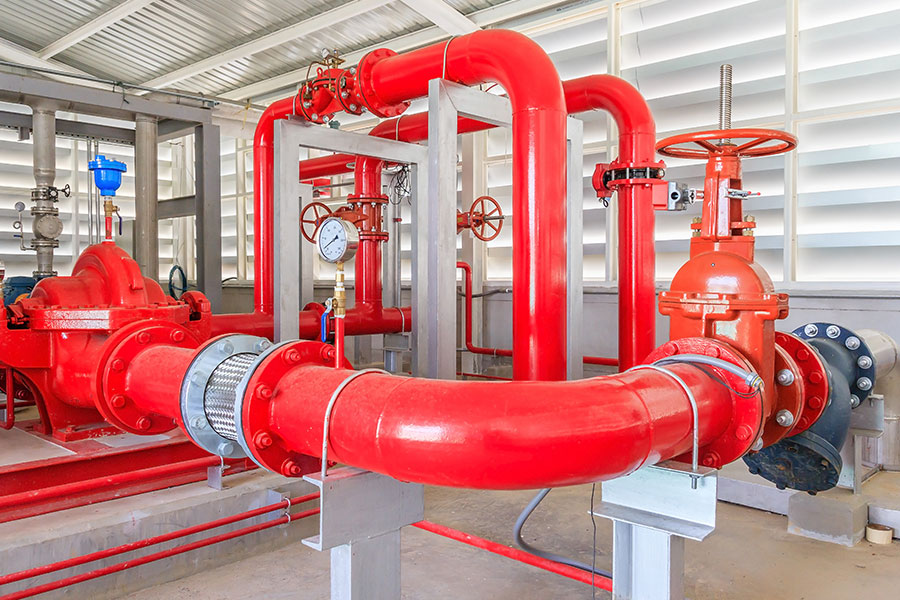
Before sprinkler system installation begins, confirm architectural drawings, ceiling layouts, structural elements and other building services that could affect sprinkler positioning or water discharge. Water supply and fire-pump requirements also need to be established before the pipe system is finalised.
This is the point to involve Apex Fire Sprinkler. Send the project location, building type, drawings, intended use and available fire-safety information. That allows the sprinkler requirement and installation scope to be discussed using real project information instead of assumptions.
Why involve Apex Fire Sprinkler before installation?
If your UAE project is approaching design, authority submission, fit-out or construction, resolve the fire sprinkler system before pipework reaches site. Sprinkler type, hydraulic demand, valve arrangement, fire alarm interfaces and MEP coordination can all affect what ultimately needs to be installed.
Contact Apex Fire Sprinkler with your project drawings before installation begins. The objective is to establish the sprinkler design requirements, identify the appropriate protection system and determine what needs to be coordinated before the project moves forward.
What to remember
- The fire sprinkler system must match the occupancy, fire hazard and building conditions.
- Wet pipe, dry pipe, pre-action and deluge systems operate differently.
- NFPA 13 covers core fire sprinkler system design and installation requirements.
- UAE and relevant Civil Defence requirements must be considered for UAE projects.
- Resolve hydraulic calculations, water supply and pipe system design before installation.
- Send Apex Fire Sprinkler your drawings early to discuss your sprinkler requirements and next steps.